The vitality of the public sphere is not measured only by the number of initiatives or the density of issues, but by people’s ability to enter spaces of public action and remain in them. Many have desire, knowledge, and commitment, yet falter at the first threshold. In a substantial sense, the problem is not a…
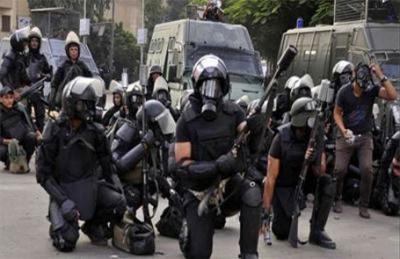
For decades, Egypt has witnessed a series of peaceful protests that represent the voice of the Egyptian people on various social and political issues. These protests are considered an integral part of Egypt’s modern history, as they represent an ongoing struggle to improve conditions, whether political conditions, labor issues, or otherwise. Nevertheless, peaceful protests in…
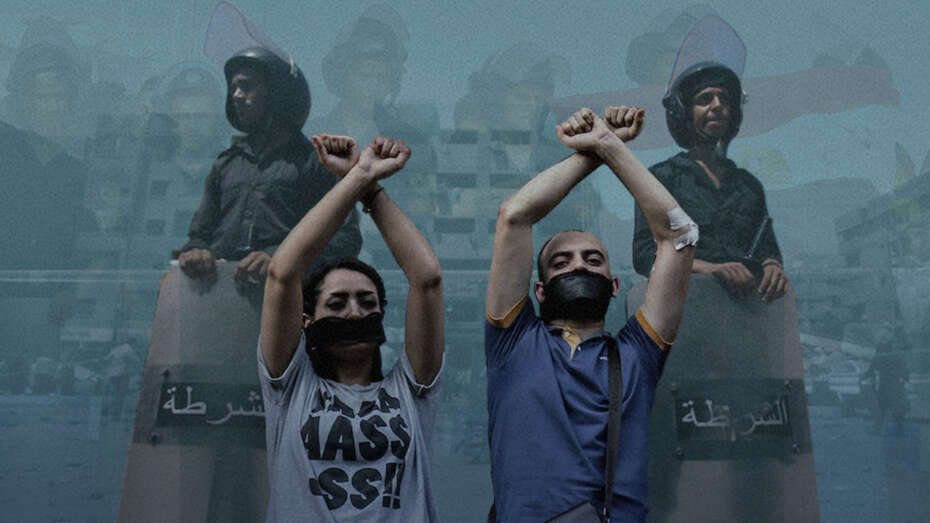
In an era of accelerating repression in Egypt and a shrinking civic space, we must ask again why the state is intent on criminalising the right to protest and what the consequences are for those who exercise their right to peaceful expression and assembly. This text re-examines the relationship between constitutional texts and daily security…
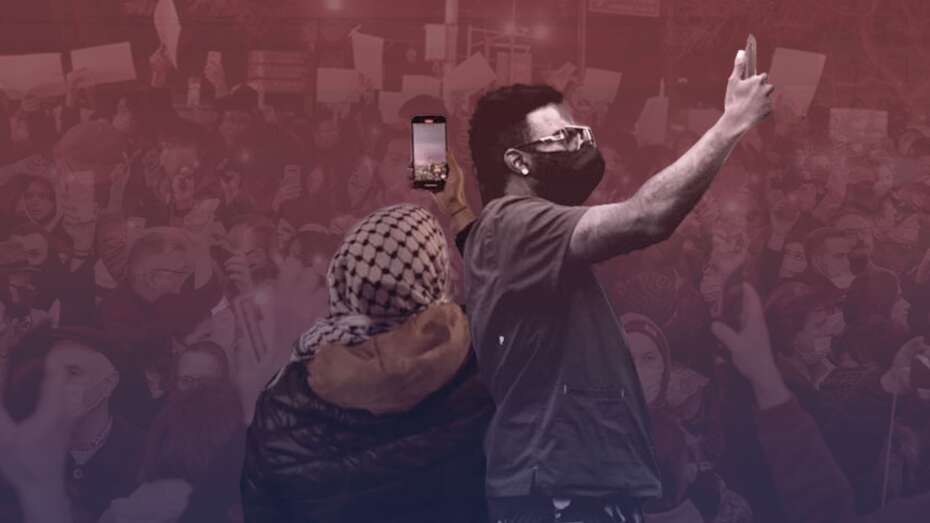
What happens when the square is closed but the screen is open? How have the streets of chanting turned into silent arenas where protests are conducted from behind glowing screens?
Over the past decade, the Middle East and North Africa region has experienced a significant shift in the landscape of protest and political…
Political sectarianism is very much entrenched in Lebanese society, Lebanese politics, and more significantly, Lebanese people’s sense of identity. It goes without saying that decades of colonial-influenced sectarianism have taken a toll on our lives, and the end of the hegemony of this system is nowhere in sight yet. While changes are happening, slowly but…
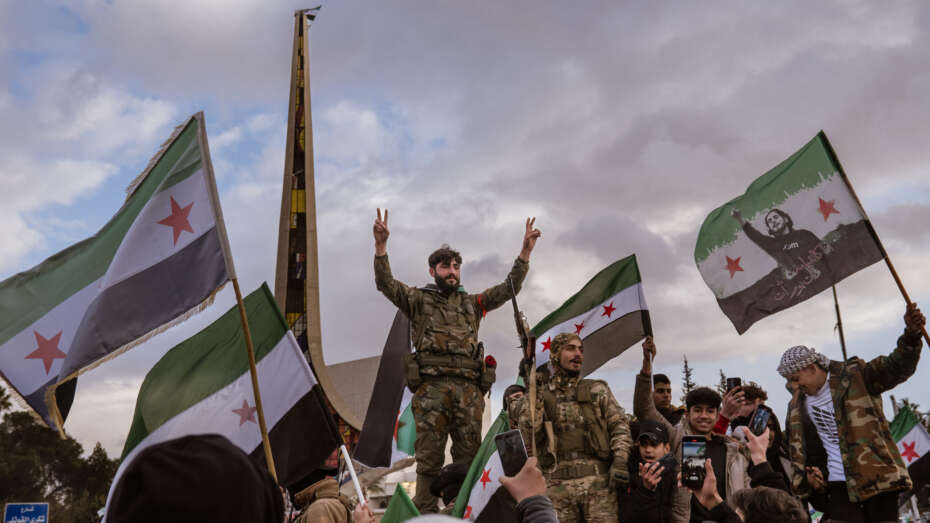
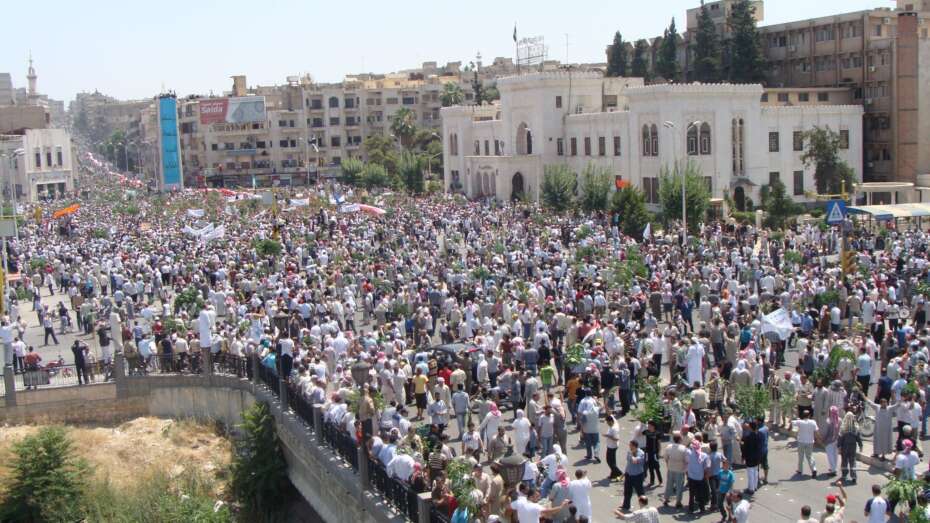
For over half a century under the rule of Assad’s family -father and son- the Syrian regime did not market repress political freedoms; it systematically dismantled any prospect of an independent civil society. Cloaked in slogans about preserving national unity and maintaining security and stability, the regime moved to monopolize public and civic space, using…
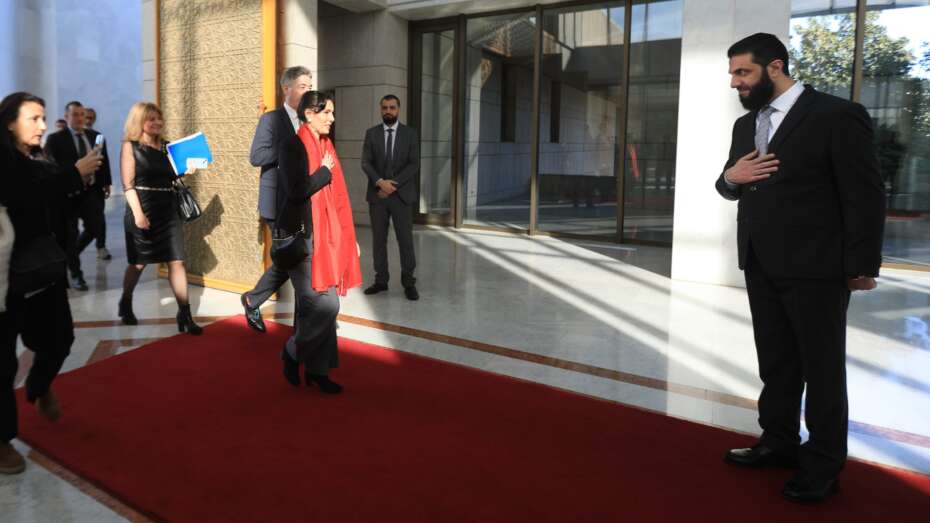
The new Transitional Constitutional Declaration introduced by Syria’s de facto leadership offers a contradictory picture — one that claims commitment to international human rights while reinforcing centralized, religiously grounded authority. This tension raises urgent questions for civic space, minority protections, and the fragile hope of rebuilding civil society in post-Assad Syria.
A Brief History…
It has been nearly a year now since the National Security Agency in Egypt arrested Egyptian cartoonist named Ashraf Omar for his drawings criticizing the regime, then months later a journalist who interviewed Omar’s wife was arrested then the wife herself was also shortly detained, to be added to the 60,000 detainees in Egyptian prisons…
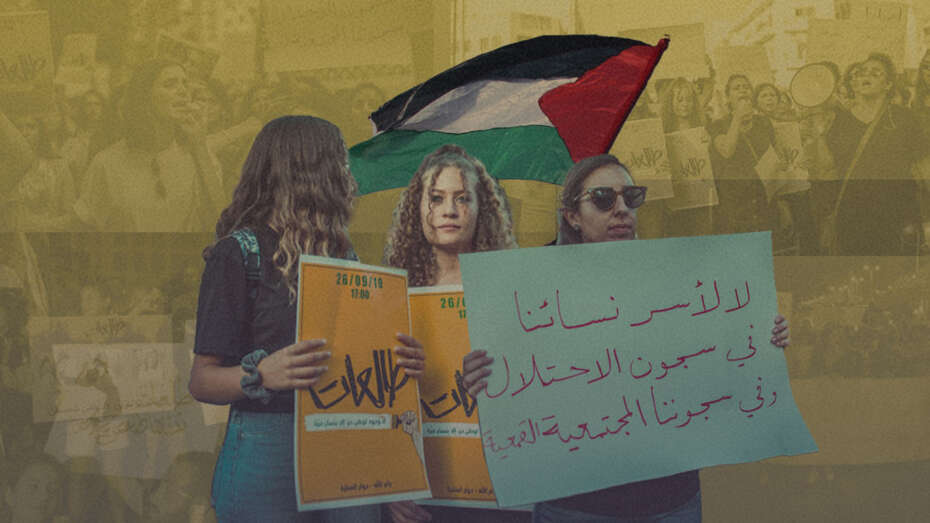
In 2019, a wave of feminist activism swept across Palestine, uniting women from Haifa to Jerusalem under the banner of Tal’at. Sparked by the brutal killing of Esra Ghareeb and escalating femicides, this grassroots movement emerged out of frustration with gender-based violence (GBV) and patriarchal oppression. Women took to the streets in unprecedented numbers, reclaiming…
After July 2013, when Abdel Fattah Al-Sisi took control of Egypt’s political scene first as the leader of the military coup and then as president from June 2014 onward, his authoritarian rule has led to widespread human rights violations. These include significant restrictions on freedom of opinion and expression, peaceful assembly, and protest. Through repression…
What does flight from repression look like if repression crosses borders? For the LGBTQ+ individuals and the women of North Africa, refuge is no protection. Egypt, Libya, and Tunisia have made transnational repression a means of state control, taking state violence across their borders by way of legal instruments, surveillance, and propaganda. Governments within them…
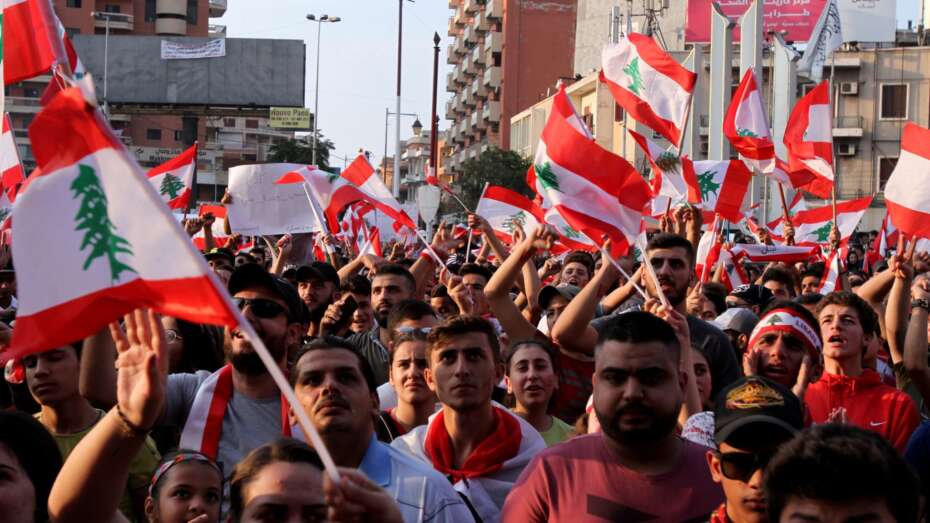
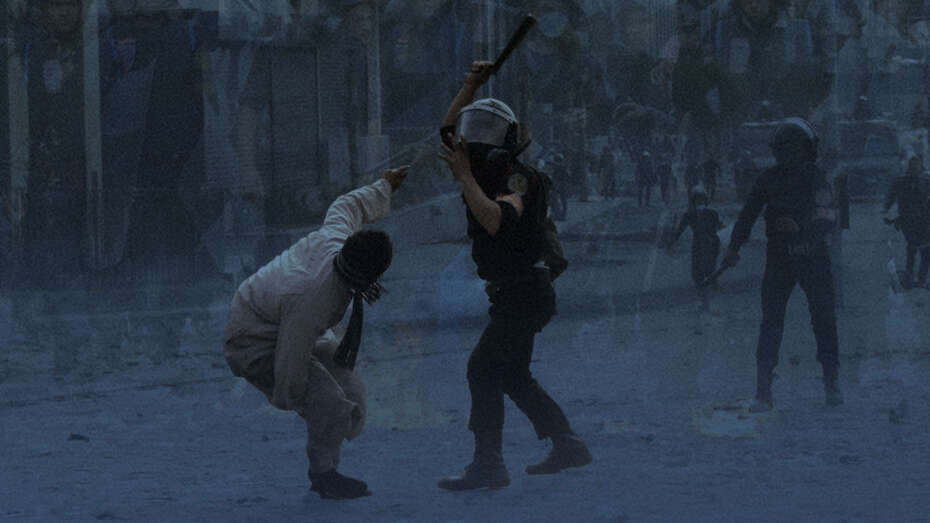
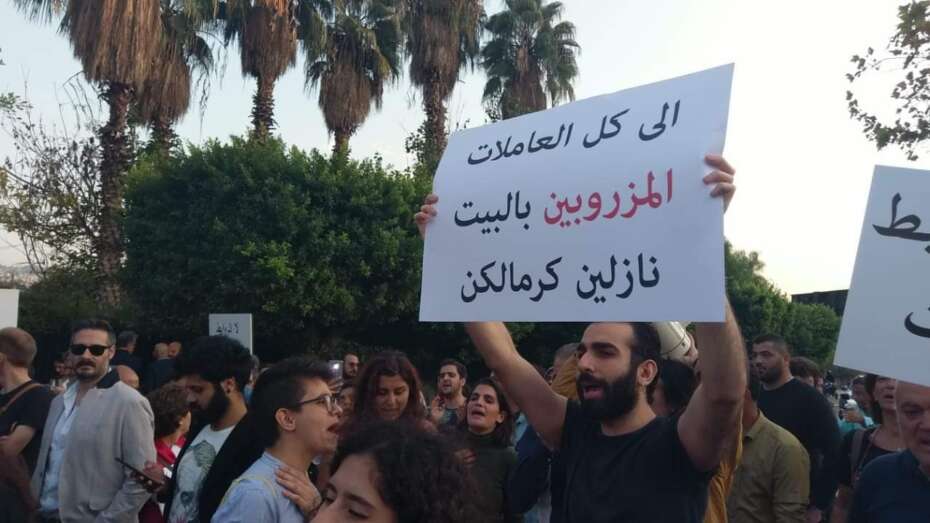
Notwithstanding the fact that the right to peaceful assembly is enshrined in the Lebanese constitution and international conventions to which Lebanon has acceded, recent years have witnessed repeated violations of this right, especially following the October 2019 uprising and the Beirut port explosion. These peaceful popular movements have frequently been met with excessive force, with…
The premise of this essay was inspired by a live experience I facilitated, in the immediate aftermath of the fall of Bashar Al-Assad regime, through an initiative entitled “The Salon“. The initiative was open to interested parties, a humble attempt to explore the intersections of arts, culture and public space, and the potential role of…
Civil society in North African countries faces challenges and risks, occasionally under authoritarian regimes. Over the recent years, some North African states have been piling more constraints on the freedom of civil work by either imposing parliamentary constraints on funding and operating or by adapting security tightening practices on human rights activists in general, and…
For more than half a decade, perhaps for even longer, Syrians have been deprived of “ownership” of their country by various means. From the food they ate, to the streets they walked, they were always reminded that Syria does not belong to them, and they did not have any agency in it. They could not…
Legal and Political Analysis of the Debate on the Most Precautionary Legislation
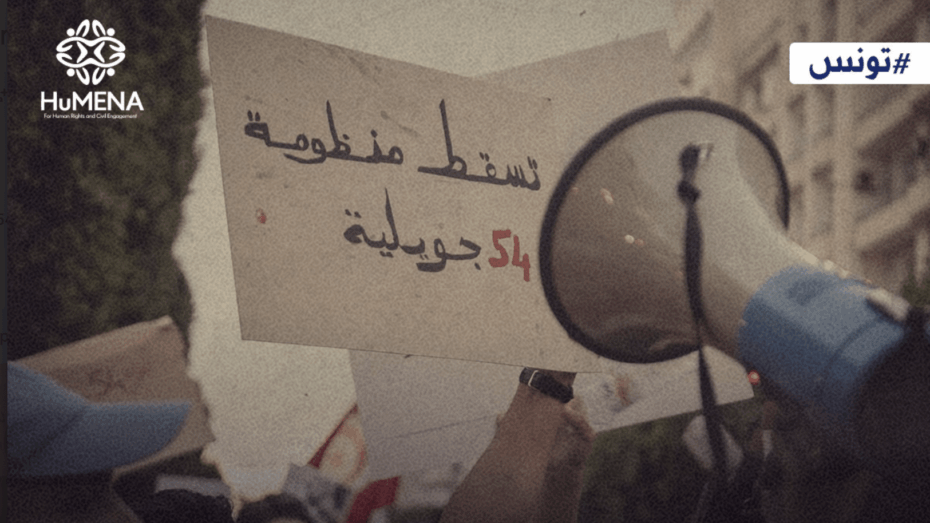
What Future for Freedom of Speech in Tunisia?
What if the law turned from a guardian of rights to a sword hanging over the necks of ideas? Imagine: criminalizing the output of the mind and the whispers of conscience, judging intentions before deeds,…
Introduction
Intersectionality and the right to Freedom of Peaceful Assembly (FoPA) are more connected than you might think. Their relationship shapes how we express ourselves collectively and our voices are heard in public spaces. I like to think of it as a tapestry, those intricate ones you might see in a museum. Each…
While most reports and studies over the past years have predicted an impending explosion of social movements in Tunisia due to the worsening economic crisis both nationally and globally , the reality points, on the contrary, to an unprecedented state of paralysis and decline in protests. The Tunisian Forum for Economic and Social…