Mohammed Ramadan
Bahraini national sentenced to death in connection with a 2014 bombing case.
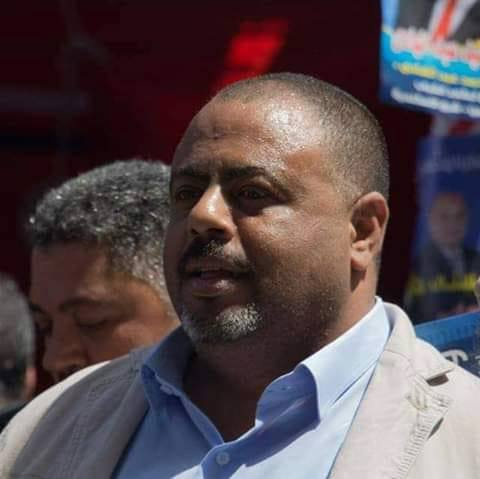
as of 06 Jun 2026
in Bahrain
Mohammed Ramadan remains on death row in Bahrain, his conviction marred by allegations of torture and due process violations that have drawn sustained international concern.HuMENA Editorial
Issued Saturday, 6 June 2026
§ 01Background and the caseEditorial narrative
Mohammed Ramadan was sentenced to death in Bahrain in connection with a 2014 bombing in Al-Dair. His case has raised serious concerns about due process, allegations of torture during interrogation, and the fairness of capital proceedings in the kingdom.
Background and Arrest
Mohammed Ramadan was arrested in February 2014 in connection with a bombing in the village of Al-Dair, Bahrain. The attack had resulted in the death of a police officer, and authorities moved swiftly to detain suspects. Ramadan was taken into custody and held on charges of participating in the bomb attack.
Legal Proceedings and Death Sentence
Ramadan was prosecuted in Bahrain's criminal courts on terrorism-related charges. The indictment centered on allegations that he had participated in the planning or execution of the Al-Dair bombing. He was convicted and sentenced to death, joining a small number of prisoners on death row in the kingdom.
The legal process in his case has been marked by concerns typical of capital prosecutions in Bahrain. Defendants in national security cases often face prolonged pretrial detention, limited access to legal counsel during interrogation, and allegations that confessions were obtained under duress. The specialized criminal courts that hear terrorism cases operate under procedures that differ from civilian criminal trials, raising questions about the adequacy of due process protections.
Detention Conditions and Status
Since his conviction, Ramadan has remained in detention in Bahrain awaiting the outcome of any appeals or further legal proceedings. Conditions in Bahraini prisons have been the subject of sustained criticism from human rights organizations, particularly for prisoners convicted on national security charges. Access to medical care, family visits, and legal counsel has been reported as inconsistent.
International Context
Bahrain resumed executions in 2017 after a de facto moratorium that had lasted nearly a decade. The shift alarmed human rights defenders and prompted renewed scrutiny of death penalty cases in the kingdom. Ramadan's case is one of several capital convictions that have drawn international attention for alleged due process violations, including claims of torture, coerced confessions, and the use of evidence obtained without adequate legal safeguards.
The use of the death penalty in Bahrain has been condemned by international human rights organizations and United Nations special procedures. Calls for retrials, commutations, or clemency in death penalty cases have been a consistent feature of advocacy around prisoners like Ramadan, whose convictions rest on contested evidence and allegations of serious procedural flaws.
§ 02Documented chronology3 events on file
-
01 Feb 2014Saturday
arrest Arrest in Al-Dair bombing case Mohammed Ramadan was arrested by Bahraini security forces in connection with a bombing in Al-Dair that killed a police officer.
-
01 Dec 2014Monday
verdict Sentenced to death Ramadan was convicted of participating in the Al-Dair bombing and sentenced to death by a Bahraini court.
-
01 Jun 2015Monday
hearing Appeal proceedings Ramadan's case entered the appeals process, with legal proceedings continuing over subsequent years.
§ 03Charges filed by the state1 on record
- 01Participating in a bomb attack that resulted in the death of a police officer
§ 04Sentence
§ 05Documented violations5 categories
§ 06Editorial provenanceHuMENA Editorial Board
This case file was compiled by HuMENA's Bahrain research team from primary documentation, public filings, family-supplied legal documents, and confidential partner reporting. Editorial responsibility rests with the HuMENA Editorial Board. Where dates or facts are uncertain, the record errs on the side of the source material and notes uncertainty in the live archive at humena.org.
- Generated
- Saturday, 6 June 2026
- Source dataset retrieved
- 2026-05-11
- Live record (canonical)
- https://dev.humena.org/defenders/mohammed-ramadan/
- Editorial sign-off
- HuMENA Editorial Board
§ 07Take-downs · corrections · partner submissions
HuMENA welcomes corrections, additions, and take-down requests from the defender, their family, or accredited representatives. Material discrepancies are typically addressed within 72 hours.
Editorial · editorial@humena.org
Take-downs & corrections · takedowns@humena.org
Partner submissions (confidential) · partners@humena.org