Mohammed Al-Otaibi
Human rights defender and co-founder of the Union for Human Rights, an organisation advocating for the abolition of the death penalty and strengthening women's role in Saudi society.
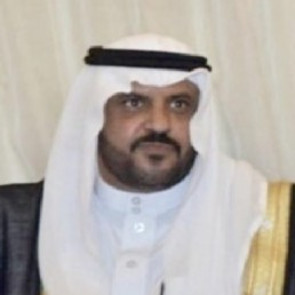
as of 06 Jun 2026
in Saudi Arabia
He fled to Qatar to escape prosecution for his human rights work and was deported from Doha airport just days later.HuMENA Editorial
Issued Saturday, 6 June 2026
§ 01Background and the caseEditorial narrative
Mohammed Al-Otaibi co-founded the Union for Human Rights in Riyadh. He fled to Qatar in 2017 to escape prosecution and was deported from Doha airport just days later. He is now serving seventeen years in Dammam.
Background and Work
Mohammed Al-Otaibi has worked in the Saudi human rights movement since 1996. Between 1999 and 2016 he participated in online discussions and forums on civil and political rights. From 2006 onward he signed collective statements demanding the release of prisoners of conscience and calling for political reform in the Kingdom.
In early 2009, while promoting the rights of Palestinians in the Gaza Strip, Saudi authorities arrested him for the first time. He remained imprisoned for almost three years and seven months. After his release, in 2013, he co-founded the Union for Human Rights in Riyadh. The organisation's objectives included the abolition of the death penalty and strengthening the role of women in Saudi society. For three years Al-Otaibi worked with the Union, issuing international appeals to document human rights violations committed by the Saudi government. Throughout this period the government subjected the organisation and its members to constant harassment.
Investigation and Flight
Shortly after the Union for Human Rights was established in 2013, the Public Prosecution launched a criminal investigation into its founding members. Al-Otaibi and other activists were summoned on charges of co-founding an illegal association. In March 2014 he was summoned again for questioning by the Public Prosecution and required to sign a pledge to stop participating in television interviews and issuing reports and statements. The Prosecution then placed him under surveillance, including monitoring his social media accounts, without informing him.
On 30 October 2016, the Special Criminal Court summoned Al-Otaibi and formally charged him with illegally founding an association, spreading chaos and stirring up public opinion against the state, harming the reputation of the Kingdom before the international community and human rights bodies, and publishing hostile posts on Twitter that insulted the Kingdom and the religious authority. The charges alleged that he prepared, signed, and published statements on the internet with the intention of dividing national unity and disrupting the social order.
On 30 March 2017, in order to avoid prosecution for his human rights work, Al-Otaibi fled to Qatar. He obtained refugee status and was scheduled for resettlement in Norway as part of a UN protection programme.
Arrest and Deportation
On 24 May 2017, officers arrested Al-Otaibi at Doha International Airport as he was preparing to board a flight to Oslo. Four days later, on 28 May 2017, he was deported to Saudi Arabia. Upon arrival, officers of the General Directorate of Investigation, commonly known as Al Mabahith, arrested him and transferred him to the Al Mabahith detention facility in Dammam. He was held incommunicado for two weeks following his arrest and placed in solitary confinement for three months.
Legal Proceedings
On 25 January 2018, the Special Criminal Court sentenced Al-Otaibi to fourteen years in prison. He was denied access to a lawyer during the trial. On 22 February 2018, he appealed the decision, but the sentence was upheld.
On 25 July 2019, Al-Otaibi was brought back before the court for a new trial. He faced additional charges of fleeing justice, going to Qatar, communicating with foreign entities, and interfering in public affairs. In December 2020 the court handed down an additional one-year prison sentence. He appealed, and in April 2021 the sentence was increased on appeal to three years. His total sentence now stands at seventeen years in prison.
Detention Conditions and Health
Al-Otaibi is held in the Al Mabahith prison in Dammam, far from his family in Jeddah. In 2019 prison authorities denied him telephone contact with his family during the holy month of Ramadan. He has been permitted only one family visit every forty-five days.
He suffers from high blood pressure. Prison administrators have denied him access to suitable medication for his condition. On 16 January 2021, Al-Otaibi began a hunger strike in the General Intelligence Prison in Al-Dhamam. He demanded to be moved to a prison closer to his family in Jeddah and to receive proper medical care for his blood pressure. He ended the hunger strike on 31 January 2021, after more than two weeks. His demands for transfer and adequate medical treatment remain unmet.
§ 02Documented chronology15 events on file
-
01 Jan 2009Thursday
arrest First arrest for Gaza advocacy Al-Otaibi was arrested by Saudi authorities while promoting the rights of Palestinians in the Gaza Strip. He remained imprisoned for almost three years and seven months.
-
06 Jun 2026Saturday
other Co-founds Union for Human Rights Al-Otaibi co-founded the Union for Human Rights in Riyadh. The organisation worked to abolish the death penalty and strengthen women's role in Saudi society.
-
06 Jun 2026Saturday
other Criminal investigation opened Shortly after the Union for Human Rights was established, the Public Prosecution launched a criminal investigation into its founding members.
-
01 Mar 2014Saturday
other Summoned and forced to sign pledge Al-Otaibi was summoned by the Public Prosecution and required to sign a pledge to stop participating in television interviews and issuing reports. He was then placed under surveillance including of his social media accounts.
-
30 Oct 2016Sunday
other Summoned by Special Criminal Court The Special Criminal Court summoned Al-Otaibi and charged him with illegally founding an association, spreading chaos, harming the reputation of the Kingdom, and publishing hostile posts on Twitter.
-
30 Mar 2017Thursday
other Flees to Qatar To avoid prosecution for his human rights work, Al-Otaibi fled to Qatar, where he obtained refugee status and was scheduled for resettlement in Norway.
-
24 May 2017Wednesday
arrest Arrested at Doha airport Al-Otaibi was arrested at Doha International Airport as he prepared to board a flight to Oslo.
-
28 May 2017Sunday
transfer Deported to Saudi Arabia Al-Otaibi was deported to Saudi Arabia. Upon arrival, General Intelligence officers arrested him and transferred him to Al Mabahith prison in Dammam. He was held incommunicado for two weeks and placed in solitary confinement for three months.
-
25 Jan 2018Thursday
verdict Sentenced to 14 years The Special Criminal Court sentenced Al-Otaibi to fourteen years in prison. He was denied access to a lawyer during the trial.
-
22 Feb 2018Thursday
other Appeal rejected Al-Otaibi appealed his fourteen-year sentence, but the decision was upheld.
-
25 Jul 2019Thursday
hearing Brought to court for new trial Al-Otaibi was brought back before the court for a new trial on additional charges including fleeing justice, going to Qatar, communicating with foreign entities, and interfering in public affairs.
-
01 Dec 2020Tuesday
verdict Additional one-year sentence imposed The court handed down an additional one-year prison sentence on Al-Otaibi in the second trial.
-
16 Jan 2021Saturday
hunger · strike · start Begins hunger strike Al-Otaibi began a hunger strike in the General Intelligence Prison in Al-Dhamam, demanding transfer to a facility closer to his family and proper medical care for his high blood pressure.
-
31 Jan 2021Sunday
hunger · strike · end Ends hunger strike Al-Otaibi ended his hunger strike after more than two weeks. His demands for transfer and adequate medical treatment remain unmet.
-
01 Apr 2021Thursday
sentence Sentence increased to 17 years on appeal On appeal, the additional sentence was increased from one year to three years, bringing Al-Otaibi's total prison term to seventeen years.
§ 03Charges filed by the state9 on record
- 01Illegally founding an association
- 02Spreading chaos and stirring up public opinion against the state
- 03Harming the reputation of the Kingdom before the international community
- 04Publishing statements on the internet harmful to the reputation of the Kingdom and its judicial and security institutions, with the intention of dividing national unity
- 05Publishing hostile posts on Twitter insulting the Kingdom and the religious authority and aimed at disrupting the social order
- 06Fleeing justice
- 07Going to Qatar
- 08Communicating with foreign entities
- 09Interfering in public affairs
§ 04Sentence
§ 05Documented violations11 categories
§ 06Editorial provenanceHuMENA Editorial Board
This case file was compiled by HuMENA's Saudi Arabia research team from primary documentation, public filings, family-supplied legal documents, and confidential partner reporting. Editorial responsibility rests with the HuMENA Editorial Board. Where dates or facts are uncertain, the record errs on the side of the source material and notes uncertainty in the live archive at humena.org.
- Generated
- Saturday, 6 June 2026
- Source dataset retrieved
- 2026-05-12
- Live record (canonical)
- https://dev.humena.org/defenders/mohammed-al-otaibi/
- Editorial sign-off
- HuMENA Editorial Board
§ 07Take-downs · corrections · partner submissions
HuMENA welcomes corrections, additions, and take-down requests from the defender, their family, or accredited representatives. Material discrepancies are typically addressed within 72 hours.
Editorial · editorial@humena.org
Take-downs & corrections · takedowns@humena.org
Partner submissions (confidential) · partners@humena.org