Dr. Nasser bin Ghaith
Economist and academic; lecturer on economic policy; advocate for political reform in the UAE.
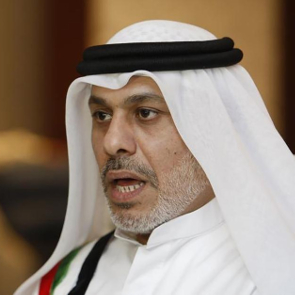
as of 06 Jun 2026
in United Arab Emirates
He told the court he had been tortured, beaten, and deprived of sleep for up to a week while held in secret detention.HuMENA Editorial
Issued Saturday, 6 June 2026
§ 01Background and the caseEditorial narrative
An Emirati economist who taught at the Sorbonne's Abu Dhabi campus, Nasser bin Ghaith now serves overlapping sentences totalling 25 years for tweets about reform and for attending meetings with other activists.
Background and Work
Nasser bin Ghaith is an economist and academic who specialised in economic policy and development. Before his imprisonment, he taught at institutions in the United Arab Emirates, including the Sorbonne's Abu Dhabi campus. His professional work centred on economic reform, public finance, and the relationship between governance and economic stability. He also engaged in public discourse about political and civil rights, frequently using social media to discuss the need for transparency, accountability, and institutional reform in the UAE.
Bin Ghaith first attracted government attention in 2011 when he and four other Emirati activists were prosecuted for statements made online advocating economic, political, and social reforms. The five were convicted on 27 November 2011 of publicly insulting the UAE's President, Vice-President, and Crown Prince. Bin Ghaith received a two-year prison sentence but was granted a presidential pardon the following day, along with his co-defendants.
The 2015 Arrest
On 18 August 2015, Emirati authorities arrested Nasser bin Ghaith a second time. He was held incommunicado for over seven months without charge or access to legal counsel. His family did not know his whereabouts. He was not brought before a judicial authority until 4 April 2016, when he appeared at the State Security Chamber of the Federal Supreme Court in Abu Dhabi.
At that first hearing, bin Ghaith told the court he had been tortured and beaten in detention. He said he had been deprived of sleep for up to a week and remained in secret detention. He stated that he had been denied the opportunity to prepare an effective defence because authorities had severely restricted his access to his lawyer.
Legal Proceedings and Convictions
On 29 March 2017, the Federal Supreme Court sentenced bin Ghaith to ten years in prison. The charges included posting false information about UAE leaders and state institutions, and harming the reputation of the state. The conviction was based largely on tweets in which he asserted that he had not received a fair trial in the 2011 case, known as the "UAE 5."
Prosecutors also accused him of communicating and cooperating with members of Al Islah, a banned organisation, based on visits he made to individuals convicted in the 2013 "UAE 94" mass trial. Another allegation involved his participation in a presentation on Islamic economics delivered at the invitation of a member of the banned Emirates Ummah Party, an engagement tied to his professional role as an economist.
In July 2024, the Abu Dhabi Federal Appeals Court handed down sentences in the UAE's second-largest mass trial, known as the UAE 84 case. On 10 July 2024, the court sentenced 53 defendants to terms ranging from ten years to life. Bin Ghaith received an additional fifteen-year sentence for allegedly cooperating with and supporting a terrorist organisation through articles and tweets, despite the fact that his earlier conviction had already criminalised much of the same conduct. His total sentence now stands at 25 years.
Detention Conditions and Health
Nasser bin Ghaith is held in Al-Razeen Prison in Abu Dhabi, a facility known for harsh conditions and restricted access to medical care. In November 2018, he began a liquid-only hunger strike to protest the ill-treatment of detainees, denial of medical care, and inconsistency in family visits. He also demanded his own release following the presidential pardon granted to British academic Matthew Hedges on 26 November 2018, a week after Hedges had been sentenced to life on spying charges.
The hunger strike caused a severe deterioration in bin Ghaith's health. He ate only small amounts of food a handful of times over the course of months. According to credible reports, he has lost much of his sight and is too weak to stand or walk without assistance. Prior to his arrest, he suffered from high blood pressure, which had already led to cardiomegaly, an enlargement of the heart, and early-stage fatty liver disease. The prolonged hunger strike and denial of adequate medical treatment have exacerbated these conditions significantly.
International Response
Nasser bin Ghaith's case has drawn attention from international human rights organisations, academic networks, and governments concerned about fair trial standards and conditions of detention in the UAE. His treatment illustrates the broader pattern of repression facing human rights defenders, academics, and critics in the country. Despite repeated calls for his release, Emirati authorities have not reconsidered his sentence, and he remains imprisoned with no prospect of early release.
§ 02Documented chronology6 events on file
-
27 Nov 2011Sunday
verdict Convicted of insulting UAE leaders Nasser bin Ghaith and four other activists were convicted of publicly insulting the UAE's President, Vice-President, and Crown Prince based on online statements calling for reform. He was sentenced to two years in prison and received a presidential pardon the following day.
-
18 Aug 2015Tuesday
arrest Arrested for the second time Emirati authorities arrested Nasser bin Ghaith. He was held incommunicado in an undisclosed location for over seven months without charge or access to legal counsel.
-
04 Apr 2016Monday
reappearance · before · prosecutor First appearance before court Bin Ghaith was brought before the State Security Chamber of the Federal Supreme Court in Abu Dhabi after seven months of enforced disappearance. He told the court he had been tortured, beaten, and deprived of sleep for up to a week.
-
29 Mar 2017Wednesday
verdict Sentenced to 10 years in prison The Federal Supreme Court convicted bin Ghaith of posting false information about UAE leaders and harming the state's reputation, based largely on tweets about his earlier trial. He received a ten-year prison sentence.
-
01 Nov 2018Thursday
hunger · strike · start Began liquid-only hunger strike Bin Ghaith began a hunger strike in Al-Razeen Prison to protest ill-treatment of detainees, denial of medical care, and inconsistent family visits. He also demanded his release following the pardon granted to British academic Matthew Hedges.
-
10 Jul 2024Wednesday
verdict Additional 15-year sentence imposed The Abu Dhabi Federal Appeals Court sentenced bin Ghaith to an additional fifteen years in prison in the UAE 84 mass trial, for allegedly cooperating with and supporting a terrorist organisation through social media. His total sentence now stands at 25 years.
§ 03Charges filed by the state6 on record
- 01Posting false information about UAE leaders and state institutions
- 02Harming the reputation of the state
- 03Publicly insulting the President, Vice-President, and Crown Prince (2011 case)
- 04Communicating and cooperating with members of banned organisation Al Islah
- 05Communicating and cooperating with the banned Emirates Ummah Party
- 06Cooperating with and supporting a terrorist organisation through social media (2024 case)
§ 04Sentence
§ 05Documented violations9 categories
§ 06Editorial provenanceHuMENA Editorial Board
This case file was compiled by HuMENA's United Arab Emirates research team from primary documentation, public filings, family-supplied legal documents, and confidential partner reporting. Editorial responsibility rests with the HuMENA Editorial Board. Where dates or facts are uncertain, the record errs on the side of the source material and notes uncertainty in the live archive at humena.org.
- Generated
- Saturday, 6 June 2026
- Source dataset retrieved
- 2026-05-12
- Live record (canonical)
- https://dev.humena.org/defenders/dr-nasser-bin-ghaith/
- Editorial sign-off
- HuMENA Editorial Board
§ 07Take-downs · corrections · partner submissions
HuMENA welcomes corrections, additions, and take-down requests from the defender, their family, or accredited representatives. Material discrepancies are typically addressed within 72 hours.
Editorial · editorial@humena.org
Take-downs & corrections · takedowns@humena.org
Partner submissions (confidential) · partners@humena.org