Abdulhadi Al-Khawaja
Human rights defender and co-founder of the Bahrain Center for Human Rights and the Gulf Centre for Human Rights; advocate for accountability, torture survivors, and democratic reform in Bahrain.
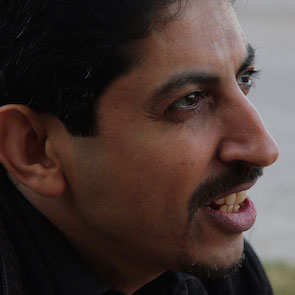
as of 06 Jun 2026
in Bahrain
He has been imprisoned for more than fifteen years, punished for his role in the 2011 protests that called for political reform and respect for fundamental freedoms.HuMENA Editorial
Issued Saturday, 6 June 2026
§ 01Background and the caseEditorial narrative
Co-founder of the Bahrain Center for Human Rights, sentenced to life in prison after the 2011 uprising. Tortured, sexually assaulted, and held for over thirteen years. His health is critical; he risks permanent blindness without urgent surgery.
Background and Human Rights Work
Abdulhadi Al-Khawaja is a Bahraini human rights defender internationally recognized for his peaceful advocacy for civil and political rights, democratic reform, and accountability for human rights violations in Bahrain. He co-founded the Bahrain Center for Human Rights and the Gulf Centre for Human Rights. For decades, he documented abuses, defended victims of torture, and called for structural reforms aligned with international human rights standards.
During the mass protests of February and March 2011, which called for political reform and respect for fundamental freedoms, Al-Khawaja played a visible and peaceful leadership role. His human rights work and public advocacy placed him at the forefront of civil society mobilization and made him a primary target of state repression in the crackdown that followed.
The Arrest
In the early hours of 9 April 2011, fifteen masked men forcibly entered Al-Khawaja's apartment by smashing down the door with a sledgehammer. They violently beat him until he lost consciousness. He was taken into custody along with his two sons-in-law. Authorities held him incommunicado for several weeks and subjected him to torture.
As a result of the beatings, Al-Khawaja sustained four fractures to his face, requiring a four-hour surgery to reconstruct his jaw. He was also subjected to sexual abuse, including sodomization, and forced to stand for hours with his hands raised above his head. The torture included severe psychological abuse and humiliation.
Legal Proceedings
On 8 May 2011, Al-Khawaja's trial commenced before the National Safety Court, a military tribunal. He stood trial alongside twenty other individuals. Despite the absence of evidence against him, he was charged with financing and participating in terrorism aimed at overthrowing the government, as well as spying for a foreign country.
On 22 June 2011, he was sentenced to life imprisonment. On 2 April 2012, the Bahraini Court of Cassation began reviewing his verdict and those of thirteen other defendants. On 30 April 2012, the Court ordered a retrial in civilian court but denied bail, keeping Al-Khawaja detained during the proceedings.
On 4 September 2012, an appeals court upheld his life sentence. On 7 January 2013, Bahrain's highest appeals court confirmed both his conviction and life imprisonment sentence. The judicial process fell far short of international fair trial standards. Proceedings relied on statements obtained under torture, were conducted before military courts lacking independence, and systematically denied the defendant access to legal counsel during key phases.
Hunger Strikes and Medical Neglect
On 8 February 2012, Al-Khawaja began a hunger strike to protest his unjust detention and the harsh treatment he endured in prison. The strike lasted 110 days. His health severely declined; he reportedly lost 22 pounds. He ended the hunger strike on 30 May 2012.
In November 2021, Al-Khawaja launched another hunger strike demanding his fundamental right to communicate with his family. The protest caused his blood sugar to plummet to dangerously low levels. He ended the strike only after authorities permitted him to make phone calls.
In February 2023, Al-Khawaja suffered a cardiac arrhythmia, a serious and potentially life-threatening condition. He was denied adequate medical care for several months. On 9 August 2023, he began another hunger strike at Jaw Prison to protest the harsh detention conditions and ongoing denial of medical treatment. Within two days, he was hospitalized with life-threatening cardiac complications. Despite doctors' explicit warnings about the imminent risk to his life, he was subjected to further degrading treatment during his hospitalization and then returned to prison under harsh conditions.
Following his return, Al-Khawaja was held in solitary confinement for two months, denied access to legal counsel, and reportedly beaten and sexually assaulted by prison guards. Such treatment not only violates international detention standards but further exacerbates his already critical medical condition.
Detention Conditions and Ongoing Violations
Throughout his detention, Abdulhadi Al-Khawaja has been subjected to systematic medical neglect, which constitutes cruel, inhuman, and degrading treatment under international human rights standards. He currently suffers from chronic and severe pain, ongoing cardiac complications, and suspected glaucoma requiring urgent surgical intervention. Without treatment, he faces a serious risk of irreversible blindness.
In late July 2022, despite a doctor's explicit order not to shackle him due to a spinal injury, authorities forced Al-Khawaja into a small, unventilated bus with hard metal seats and insisted on shackling him. In protest, he chanted slogans against the Interior Minister, condemning the inhumane treatment. He now faces a third criminal case accusing him of incitement to overthrow or alter the regime, stemming from this incident. No court date has been set.
In November 2022, Al-Khawaja faced new court hearings on multiple charges related to his activism, including protests against unjust treatment while imprisoned in Jaw Prison. On 3 November 2022, a hearing was held without his attendance. On 16 November 2022, he appeared before the Second Lower Criminal Court over allegations connected to his protests demanding the right to call his daughters living abroad. The hearing was postponed to 28 November 2022. Another hearing was scheduled for 21 November 2022 on separate allegations, including insulting a public servant and insulting a foreign state (Israel), though the latter charge was removed from official records following public exposure by his family.
Al-Khawaja was absent from his trials and could not grant power of attorney to his appointed lawyer, despite a court order requiring the Ministry of Interior to facilitate this. He had no legal representation during the trials. Although his lawyers were present, they were denied access to his legal dossier and unable to represent him formally. Despite these due process violations, the judge convicted Al-Khawaja on both charges without waiting for the power of attorney issue to be resolved.
The charges allege that a year prior, while detained in Jaw Prison and being denied the right to call his exiled daughters, Al-Khawaja broke a plastic chair and verbally insulted a prison officer. He insisted on his right to communicate with his children, stating: "I have the right to call my kids."
In the first case, he was fined 100 Bahraini Dinars (approximately £220 / $266) for insulting a police officer at Jaw Prison. In the second case, he was fined 60 Bahraini Dinars (£133 / $160) for breaking a plastic chair during a protest after being denied contact with his daughters in exile, injuring his hand in the process.
While held in a detention area during the November 2022 proceedings, a lieutenant pressured him to record a video statement. He refused and was returned to his cell. His daughter, Zaynab Al-Khawaja, stated: "They are threatening and intimidating him to coerce false and misleading statements, forcing him to testify on video that he did not want to attend his trial. This is a clear violation of his judicial rights and further evidence of ongoing reprisals against him."
International Response and Family Impact
Abdulhadi Al-Khawaja holds dual Bahraini-Danish citizenship. Denmark has failed to secure his release for more than thirteen years, despite his deteriorating health and the grave violations documented throughout his detention.
His daughters, Maryam and Zainab Al-Khawaja, have themselves been targeted for their activism. Zainab was arrested from her home along with her fifteen-month-old baby. Maryam was barred from boarding a flight to Bahrain in September 2023 while trying to advocate for her father's release. The family has lived under exile and constant harassment for over a decade.
Al-Khawaja's case represents one of the most egregious examples of prolonged arbitrary detention combined with torture, sexual violence, and medical negligence in the Gulf region. His continued imprisonment in the face of a life-threatening health condition places him at imminent risk of death or irreversible harm, including permanent blindness.
§ 02Documented chronology24 events on file
-
09 Apr 2011Saturday
arrest Arrested at home by masked security forces Fifteen masked men smashed down the door of his apartment with a sledgehammer in the early hours of the morning. They beat him until he lost consciousness and took him into custody along with his two sons-in-law.
-
09 Apr 2011Saturday
other Held incommunicado and tortured Authorities held him incommunicado for several weeks. He was subjected to severe beatings resulting in four facial fractures, sexual assault including sodomization, forced stress positions, and psychological abuse.
-
08 May 2011Sunday
hearing Trial opens before military tribunal His trial commenced before the National Safety Court, a military tribunal. He stood trial alongside twenty other individuals and was charged with terrorism-related offenses and espionage despite the absence of evidence.
-
22 Jun 2011Wednesday
sentence Sentenced to life imprisonment The National Safety Court sentenced him to life imprisonment on charges of financing and participating in terrorism and spying for a foreign country.
-
08 Feb 2012Wednesday
hunger · strike · start Begins 110-day hunger strike He began a hunger strike to protest his unjust detention and the harsh treatment he endured in prison. The strike lasted 110 days and caused severe health decline.
-
02 Apr 2012Monday
hearing Court of Cassation begins review The Bahraini Court of Cassation began reviewing his verdict and those of thirteen other defendants related to the 2011 protests.
-
30 Apr 2012Monday
hearing Retrial ordered in civilian court, bail denied The Court ordered a retrial in civilian court but denied bail, keeping Al-Khawaja detained during the proceedings.
-
30 May 2012Wednesday
hunger · strike · end Ends hunger strike after 110 days He ended his hunger strike after 110 days. He reportedly lost 22 pounds during the strike and his health had severely declined.
-
04 Sep 2012Tuesday
verdict Appeals court upholds life sentence An appeals court upheld his life sentence following the civilian retrial.
-
07 Jan 2013Monday
verdict Highest court confirms life imprisonment Bahrain's highest appeals court confirmed both his conviction and life imprisonment sentence, exhausting domestic remedies.
-
01 Nov 2021Monday
hunger · strike · start Hunger strike demanding family contact He launched a hunger strike demanding his fundamental right to communicate with his family. The protest caused his blood sugar to plummet to dangerously low levels.
-
30 Nov 2021Tuesday
hunger · strike · end Ends hunger strike after calls permitted He ended the hunger strike after authorities permitted him to make phone calls to his family.
-
31 Jul 2022Sunday
other Shackled despite spinal injury; protests Despite a doctor's explicit order not to shackle him due to a spinal injury, authorities forced him into a small, unventilated bus and insisted on shackling him. In protest, he chanted slogans against the Interior Minister. He now faces charges of incitement to overthrow the regime stemming from this incident.
-
03 Nov 2022Thursday
hearing First hearing on new charges, in absentia A hearing was held on new charges related to his protests in detention, including breaking a plastic chair and insulting a prison officer. He was not present.
-
16 Nov 2022Wednesday
hearing Second hearing; pressured to record statement He appeared before the Second Lower Criminal Court over allegations connected to his protests demanding the right to call his daughters. While held in a detention area, a lieutenant pressured him to record a video statement, which he refused.
-
21 Nov 2022Monday
hearing Hearing on insulting public servant charge Another hearing was scheduled on separate allegations, including insulting a public servant and insulting a foreign state (Israel). The latter charge was removed from official records following public exposure by his family.
-
28 Nov 2022Monday
verdict Convicted without legal representation The judge convicted him on both charges without waiting for the power of attorney issue to be resolved. He was fined 100 Bahraini Dinars for insulting a police officer and 60 Dinars for breaking a plastic chair during a protest.
-
01 Feb 2023Wednesday
medical · event Suffers cardiac arrhythmia; care denied He suffered a cardiac arrhythmia, a serious and potentially life-threatening condition, yet was denied adequate medical care for several months.
-
09 Aug 2023Wednesday
hunger · strike · start Begins hunger strike over medical neglect He began another hunger strike at Jaw Prison to protest the harsh detention conditions and ongoing denial of medical treatment.
-
11 Aug 2023Friday
medical · event Hospitalized with cardiac complications Within two days of beginning his hunger strike, he was hospitalized with life-threatening cardiac complications. Doctors warned that his life was at imminent risk.
-
31 Aug 2023Thursday
transfer Returned to prison; solitary confinement Despite doctors' warnings, he was returned to Jaw Prison and placed in solitary confinement for two months. He was denied access to legal counsel and reportedly beaten and sexually assaulted by prison guards.
-
01 Sep 2023Friday
other Daughter Maryam barred from flight to Bahrain His daughter Maryam Al-Khawaja was barred from boarding a flight to Bahrain while trying to advocate for her father's release, illustrating the transnational dimension of reprisals against the family.
-
14 Feb 2026Saturday
other 15th-year anniversary of arrest British parliamentarians launched a petition demanding his release on the 15th anniversary of the 2011 uprising.
-
11 Mar 2026Wednesday
medical · event Urgent healthcare needs cited Calls for immediate release renewed citing life-threatening cardiac conditions and ongoing denial of healthcare.
§ 03Charges filed by the state6 on record
- 01Financing and participating in terrorism aimed at overthrowing the government
- 02Spying for a foreign country
- 03Incitement to civil disobedience and violence
- 04Insulting a public servant (prison officer)
- 05Damaging property (breaking plastic chair during protest)
- 06Incitement to overthrow or alter the regime (2022, pending)
§ 04Sentence
§ 05Documented violations17 categories
Al-Khawaja's daughters, Maryam and Zainab, have been targeted for their activism in exile. Maryam was barred from boarding a flight to Bahrain in September 2023 while trying to advocate for her father's release, and Zainab was arrested with her infant child. The family has lived under exile and constant harassment for over a decade as reprisal for Al-Khawaja's work.
§ 06Editorial provenanceHuMENA Editorial Board
This case file was compiled by HuMENA's Bahrain research team from primary documentation, public filings, family-supplied legal documents, and confidential partner reporting. Editorial responsibility rests with the HuMENA Editorial Board. Where dates or facts are uncertain, the record errs on the side of the source material and notes uncertainty in the live archive at humena.org.
- Generated
- Saturday, 6 June 2026
- Source dataset retrieved
- 2026-05-11
- Live record (canonical)
- https://dev.humena.org/defenders/abdulhadi-al-khawaja/
- Editorial sign-off
- HuMENA Editorial Board
§ 07Take-downs · corrections · partner submissions
HuMENA welcomes corrections, additions, and take-down requests from the defender, their family, or accredited representatives. Material discrepancies are typically addressed within 72 hours.
Editorial · editorial@humena.org
Take-downs & corrections · takedowns@humena.org
Partner submissions (confidential) · partners@humena.org